How to Build a Reading Habit (and the Kit That Helps)
By The Deals Editor · Published 3 June 2026 · 5 min read

Most people who say they don't read enough aren't short of books — they're short of the right conditions. Reading is a habit, and like most habits, it's highly sensitive to friction. Here's how to reduce friction and make reading the easier choice.
The Kindle question
A Kindle is worth it for anyone who reads more than six books a year. The benefits are practical: immediate access to any book, adjustable type size, built-in lighting for reading in any condition, and a weight and form factor that's more comfortable than most paperbacks for extended reading. The entry-level Kindle is sufficient for most readers; the Paperwhite adds waterproofing and flush screen for a meaningful upgrade.
Create a reading place
The single most effective change for reading more is having a dedicated reading spot — a specific chair or corner associated only with reading. The physical cue ('this is where I read') reduces the mental effort required to start. It doesn't need to be elaborate: a comfortable seat, a good light, and nothing else competing for attention is enough.
Lighting: often the actual barrier
Poor lighting causes eye strain and fatigue, which shortens reading sessions. A dedicated reading lamp — positioned over the left shoulder for right-handed readers — makes reading comfortable for longer. A book light is useful for reading in bed without disturbing a partner. These are small investments with a disproportionate effect on how much reading actually happens.
The physical book experience
For readers who prefer physical books: a book stand or page holder removes the need to hold a book open, which is particularly useful for heavier books or reading while eating. A good bookmark (it sounds trivial; losing your place consistently is genuinely friction-generating) and a dedicated reading notebook for notes and quotes rounds out a physical reading setup.
Audiobooks: the commuter's reading
Audible and Amazon's audiobook range make otherwise dead time — commuting, cooking, exercising, housework — productive for learning. Not the same as reading, but a legitimate and valuable parallel habit. A decent pair of earphones (not noise-cancelling, which isolates too much in traffic) makes the experience considerably more enjoyable.
Shop the edit on Amazon
-
 Kindle Paperwhite (2024 Release) — 16GB, With Ads, Black
7" display, 12-week battery, waterproof, USB-C charging — our fastest Kindle ever
-
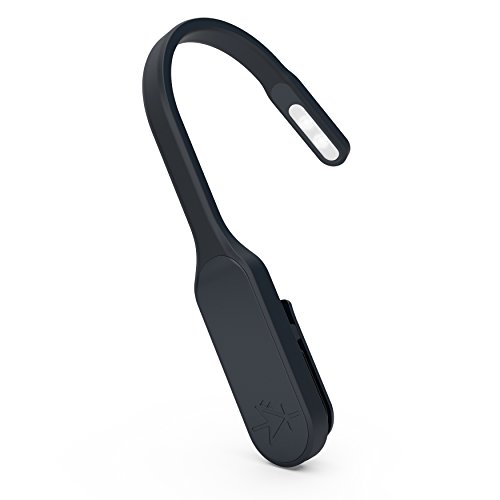 Mighty Bright Recharge LED Book Light
Rechargeable, flexible clip, 2 LED lights, works on Kindle and books
-
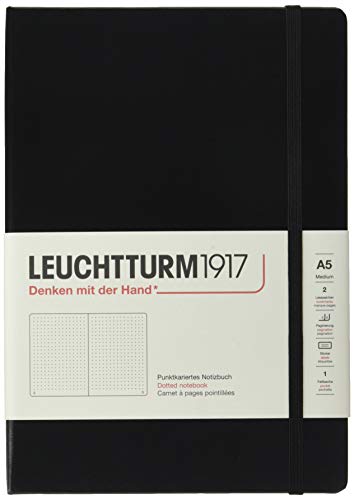 Leuchtturm1917 A5 Hardcover Notebook — Dotted
251 numbered pages, two bookmarks, expandable pocket — the standard reading journal
-
 Leuchtturm1917 A5 Hardcover Notebook with Pen Loop — Black
Same quality notebook with attachable pen loop — good for dedicated note-takers
-
 OPTIXCELL Adjustable Book Stand
360° rotating, height adjustable, holds books and tablets hands-free
Frequently asked questions
Is a Kindle worth buying if I already have a tablet?
For reading specifically, yes — the e-ink display is significantly easier on the eyes than a backlit LCD or OLED screen, especially for extended reading sessions. There's no notification distraction, the battery lasts weeks, and the lightweight form factor is more comfortable to hold for long periods. Most people who switch from tablet reading to Kindle read more as a result.
How do I actually read more when I'm always tired in the evening?
Timing matters. Reading in the evening when already tired competes with sleep. Morning reading (even 15 minutes before the day starts), lunchtime reading, and commute reading are more sustainable slots for most people. A consistent trigger — a specific time or place — builds the habit more reliably than relying on motivation.
What's the best way to remember what I've read?
Writing brief notes immediately after finishing a chapter or section dramatically improves retention. A dedicated reading notebook, or notes in a Kindle highlight (synced to your Amazon account), creates a retrievable record. The act of writing — not just highlighting — is what consolidates memory.
As an Amazon Associate, The Deals Edit earns from qualifying purchases.